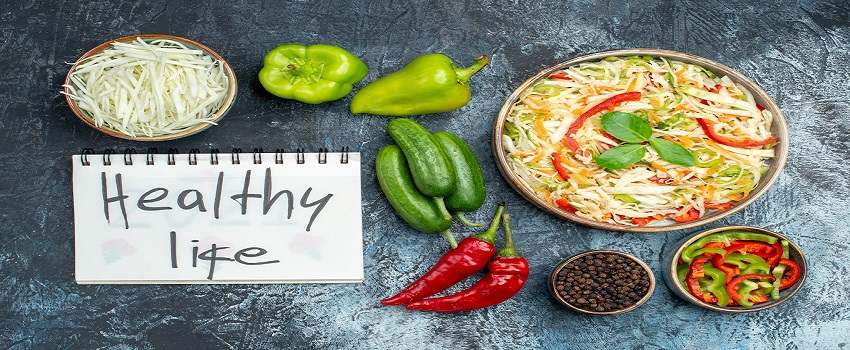
Embracing a vegetarian diet is a fantastic step towards better health, environmental sustainability, and often, incredible culinary adventures. However, a common misconception is that going meatless automatically translates to a higher grocery bill. This couldn't be further from the truth! With smart planning and a few savvy tricks, eating vegetarian on a budget is not only achievable but can significantly reduce your food expenses without sacrificing nutrition or flavor.
In this comprehensive guide, we'll dive deep into practical strategies, essential pantry staples, and delicious meal ideas that prove you can enjoy a vibrant plant-based lifestyle without breaking the bank. Forget expensive specialty items; we're focusing on accessible, affordable ingredients that form the backbone of a truly budget-friendly vegetarian kitchen.
The Core Pillars of Budget-Friendly Vegetarian Eating
Successfully navigating a vegetarian on a budget lifestyle hinges on a few fundamental principles. Mastering these will set you up for long-term savings and culinary success.
Smart Shopping Strategies
Your journey to saving money begins before you even step into the kitchen. Strategic grocery shopping is paramount:
- Shop Sales and Specials: Always check weekly flyers and digital coupons. Stock up on non-perishable items or freezable produce when they're at their lowest prices.
- Embrace Seasonal Produce: Fruits and vegetables are always cheaper and fresher when they are in season locally. Eating seasonally also encourages a diverse and exciting diet.
- Buy in Bulk (Wisely): Legumes, grains, nuts, and seeds are often significantly cheaper when purchased from bulk bins or in larger packages. Just ensure you have adequate storage and will use them before they spoil.
- Utilize Store Brands: Generic or store-brand products often offer the same quality as their name-brand counterparts but at a fraction of the cost.
- Frozen and Canned are Your Friends: Don't underestimate the power of frozen vegetables and canned beans/tomatoes. They are picked at peak ripeness, last longer, and are often more economical than fresh, especially out of season.
- Stick to a List: Impulse buys are budget killers. Plan your meals, make a detailed shopping list, and stick to it.
Pantry Powerhouses: Essential Staples
A well-stocked pantry is the secret weapon of anyone eating vegetarian on a budget. These affordable staples form the base of countless nutritious and delicious meals:
- Legumes: Dried or canned beans (black, kidney, pinto, cannellini), lentils (red, green, brown), and chickpeas are incredibly versatile, packed with protein and fiber, and dirt cheap. They can replace meat in almost any dish.
- Grains: Rice (brown, white, basmati), oats, pasta, quinoa, and barley provide essential carbohydrates, fiber, and often a good dose of protein.
- Root Vegetables: Potatoes, sweet potatoes, carrots, and onions are inexpensive, store well, and form the foundation of many hearty meals.
- Long-lasting Produce: Cabbage, apples, oranges, and sturdy greens like kale can last longer in your fridge, reducing waste.
- Canned Goods: Diced tomatoes, tomato paste, corn, and coconut milk are excellent for building flavorful sauces and curries.
- Spices and Herbs: A well-curated spice rack can transform simple ingredients into gourmet meals. Buy whole spices and grind them yourself for maximum flavor and economy.
Meal Planning & Batch Cooking
If you want to master eating vegetarian on a budget, meal planning and batch cooking are non-negotiable. This dynamic duo saves time, reduces food waste, and prevents costly last-minute takeout decisions.
Start by planning 3-5 meals for the week, incorporating ingredients that can be used across multiple dishes. For example, cook a large batch of rice and use it for a stir-fry one night, a bean bowl the next, and maybe even a quick fried rice. Similarly, a big pot of cooked beans can serve as the base for chili, tacos, or a hearty salad throughout the week. Dedicate an hour or two on a weekend to chop vegetables, cook grains, and prepare components for upcoming meals. This way, healthy, affordable food is always within reach.
For more advanced strategies on making the most of your pantry and truly elevating your budget vegetarian game, check out vegetarian on a budget - Article 2.
Savvy Kitchen Hacks to Stretch Your Dollar
Beyond shopping and planning, what you do in the kitchen can also dramatically impact your food budget.
Maximizing Ingredients & Minimizing Waste
Food waste is money wasted. Adopt a "nose-to-tail" philosophy for vegetables:
- Use Scraps: Vegetable scraps (peels, ends of onions, carrot tops) can be frozen and used to make flavorful homemade vegetable broth.
- Revive Wilting Produce: Slightly wilted greens can often be revived in an ice bath. Soft fruits can be used in smoothies, baked goods, or compotes.
- Creative Leftovers: Don't just reheat; transform! Leftover roasted vegetables can become part of a frittata or a blended soup. Cooked grains can be turned into veggie burgers.
- Proper Storage: Learn how to store different types of produce to extend their shelf life. For instance, store herbs in a glass of water like flowers, and keep root vegetables in a cool, dark place.
DIY vs. Store-Bought
Many common grocery items can be made at home for a fraction of the cost and with better ingredients:
- Dressings and Sauces: Whipping up your own vinaigrettes, pestos, or hummus is cheaper and healthier than buying pre-made versions.
- Broth: Homemade vegetable broth is superior in flavor and cost compared to store-bought cartons.
- Bread: While not for everyone, baking your own bread can be incredibly economical, especially if you go through a lot.
- Snacks: Instead of packaged snacks, opt for fruits, vegetables with hummus, homemade trail mix, or air-popped popcorn.
Embracing Frugal Protein Sources
When eating vegetarian on a budget, efficient protein sources are key. While beans and lentils are king, don't forget these other wallet-friendly options:
- Tofu and Tempeh: Often surprisingly affordable, especially block tofu. They are incredibly versatile and absorb flavors beautifully. Look for sales!
- Nutritional Yeast: A vegan's secret weapon! It provides a cheesy, umami flavor and is rich in B vitamins, making it a great addition to sauces, popcorn, or roasted vegetables.
- Eggs (if lacto-ovo vegetarian): Eggs are an excellent source of protein and essential nutrients, and relatively inexpensive, especially when bought in larger cartons.
- Peanut Butter: A classic, cost-effective protein source. Great for sandwiches, sauces, or just straight from the jar.
Delicious & Affordable Vegetarian Meal Ideas
Now that you're armed with shopping strategies and kitchen hacks, let's look at some actual meal ideas that are perfect for anyone trying to eat vegetarian on a budget.
Breakfast on a Dime
- Oatmeal: The ultimate budget breakfast. Plain rolled oats are incredibly cheap. Customize with whatever you have: fruit (fresh or frozen), nuts, seeds, a touch of cinnamon, or a drizzle of maple syrup.
- Peanut Butter Toast: Whole grain toast with a generous spread of peanut butter provides sustained energy. Add banana slices for extra goodness.
- Scrambled Tofu/Eggs: For a savory start, scrambled tofu (seasoned with turmeric for color and nutritional yeast for flavor) or scrambled eggs (if lacto-ovo) with some leftover sautéed veggies are filling and cheap.
Lunchbox Heroes
- Lentil Soup: A big batch of hearty lentil soup is perfect for meal prepping. It's incredibly nutritious, filling, and costs pennies per serving.
- Chickpea Salad Sandwiches/Wraps: Mash chickpeas with vegan mayo (or hummus), celery, onion, and spices for a delicious and protein-packed filling.
- Leftover Stir-fries or Curries: Batch cook a larger dinner and pack portions for lunch.
- Bean Burrito Bowls: Rice, black beans, corn, salsa, and a sprinkle of cheese or nutritional yeast make a satisfying and customizable lunch.
Dinner Delights That Won't Break the Bank
- Hearty Bean Chili: A classic for a reason. Beans, canned tomatoes, onions, and spices come together for a deeply flavorful and economical meal. Serve with rice or corn chips.
- Lentil Dahl/Curry: Red lentils cook quickly and create a creamy, spiced curry that pairs perfectly with rice or flatbread.
- Pasta with Marinara and Veggies: Simple pasta with a homemade tomato sauce (using canned tomatoes) and whatever vegetables are on sale (zucchini, bell peppers, spinach) is a family favorite.
- Sheet Pan Roasted Vegetables with Chickpeas: Toss your favorite vegetables (broccoli, carrots, potatoes, bell peppers) and a can of chickpeas with oil and spices, then roast until tender and slightly crispy.
- Potato and Pea Samosa Bowls: A deconstructed version of the popular snack. Cooked potatoes and peas spiced with ginger, garlic, and cumin, served over rice.
If you're looking for even more specific meal plans and recipes tailored for cost-efficiency, explore vegetarian on a budget - Article 3.
Conclusion
Eating vegetarian on a budget is not just a possibility; it's an incredibly rewarding and sustainable way to live. By adopting smart shopping habits, stocking your pantry with versatile staples, embracing meal planning, and utilizing clever kitchen hacks, you can enjoy delicious, nutritious plant-based meals without draining your wallet. It requires a bit of planning and creativity, but the financial savings, health benefits, and positive environmental impact are well worth the effort. Start small, experiment with new recipes, and enjoy the journey of discovering how truly affordable and satisfying a vegetarian diet can be!
